In the fast-paced world of 2026, convenience isn't just a luxury—it's the baseline expectation. For small business owners, this reality manifests most clearly in the way customers contact them. Despite the rise of DMing and instant messaging, the phone call remains the primary method for high-intent customers to reach out. However, a startling disconnect has emerged: while customers still want to call, businesses are increasingly unable to answer.
The Shocking Reality: 62% of Calls Go Unanswered
Recent industry statistics paint a grim picture for small and medium-sized businesses (SMBs). On average, 62% of all calls to small businesses go unanswered. Whether it's because the owner is on a job site, the receptionist is busy with another patient, or the call came in just ten minutes after closing, the result is the same: silence.
But that silence isn't empty. It's filled with the sound of lost revenue. Data shows that 85% of callers who don't get through will not call back. In the age of immediate gratification, a missed call isn't an invitation to leave a voicemail; it's a signal to move on to the next competitor on the Google search results page.
Calculating the True Cost of a Missed Call
Many business owners view a missed call as a minor inconvenience. Let's do the math to reveal the financial reality. Imagine you run a local service business—perhaps an electrical company or a plumbing service. If your average job value is $500, and you miss just 5 potential new customer calls per week, you are losing $2,500 in potential revenue every single week.
"If your average job value is $500 and you miss 5 calls a week, you're looking at $130,000 in lost revenue every single year."
Over a year, that adds up to a staggering $130,000 in lost revenue. For a small business, this is the difference between struggling to pay the bills and scaling to a second location. When you factor in the lifetime value of a customer (referrals, repeat business), the cost is even higher.
Old Solutions vs. Modern Demands
In the past, businesses relied on three main methods to handle call volume, each with significant drawbacks:
- Answering Services: Traditional call centers often charge $2 to $5 per call. These operators usually have little knowledge of your specific business, can only take messages, and often sound robotic or impersonal.
- Voicemail: In 2026, voicemail is where leads go to die. Most customers won't bother leaving a message when they can find another provider in seconds.
- Hiring Staff: Hiring a dedicated full-time receptionist costs upwards of $55,000 per year plus benefits. Even then, they can only answer one call at a time and only during business hours.
The New Solution: 24/7 AI Voice Agents
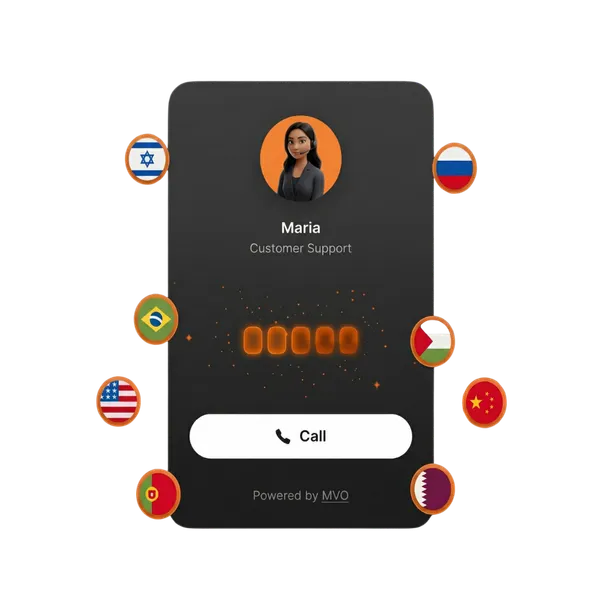
This is where AI Voice Agents like MVO are revolutionising the market. Unlike a traditional answering service, an AI agent is trained specifically on your business documents, price lists, and FAQs. It sounds natural, behaves professionally, and never gets tired.
An AI Voice Agent can:
- Answer instantly: No more "please hold" or ringing out.
- Book Appointments: Integrate directly with Google Calendar to schedule jobs in real-time.
- Answer Questions: Provide quotes, explain services, and offer directions.
- Capture Leads: Automatically sync caller details into your CRM or email.
Conclusion: Stop Leaking Revenue
The math is simple: if you are missing calls, you are losing money. In 2026, "I was busy" is no longer an acceptable excuse to a customer. By implementing an AI voice agent, you ensure that every customer gets a professional response, every time, regardless of what's happening on the job site or in the clinic.
Ready to see the difference for yourself? Learn more about our pricing or start your trial today.
Ready to automate your business calls?
Start your 14-day free trial today and never miss a lead again.
Get Started →